What is Optical Image Stabilizer?

In today’s world, taking photos and videos has become an everyday habit for millions of people. With the rapid rise of smartphones and the widespread use of social media platforms, capturing moments is now easier and more frequent than ever before. Alongside this shift, imaging technologies have advanced significantly, allowing users to produce high-quality visuals with minimal effort. One of the most important innovations contributing to this improvement is the optical image stabilizer.
Understanding the Optical Image Stabilizer
Technological progress continues to reshape many aspects of
our lives, and imaging technology is no exception. In the past, capturing clear
and professional-quality images required specialized equipment. While it was
still possible to take photos with basic devices, achieving sharp and stable
results was often difficult.
Today, thanks to advancements in mobile technology,
smartphones are capable of producing images that rival professional cameras. A
key factor behind this improvement is the integration of the optical image
stabilizer into modern devices.
An optical image stabilizer, often abbreviated as OIS, is a
hardware-based technology designed to reduce the effects of motion during image
capture. In simple terms, it helps prevent blurriness caused by hand movements,
vibrations, or environmental factors. Whether you are taking a photo or
recording a video, OIS ensures that the final output appears smoother and
clearer.
Why Optical Image Stabilization Matters in Smartphones
Smartphones have become the primary tool for photography and
videography for many users. Their convenience and portability make them ideal
for capturing spontaneous moments. However, handheld shooting often introduces
unwanted motion, especially in low-light conditions or while moving.
This is where the optical image stabilizer proves
invaluable. By compensating for small hand movements, it significantly improves
image sharpness and video stability. For example, when taking a photo in dim
lighting, the camera needs to keep the shutter open longer. Even slight hand
tremors during this time can cause blur. OIS counteracts these movements,
resulting in a clearer image.
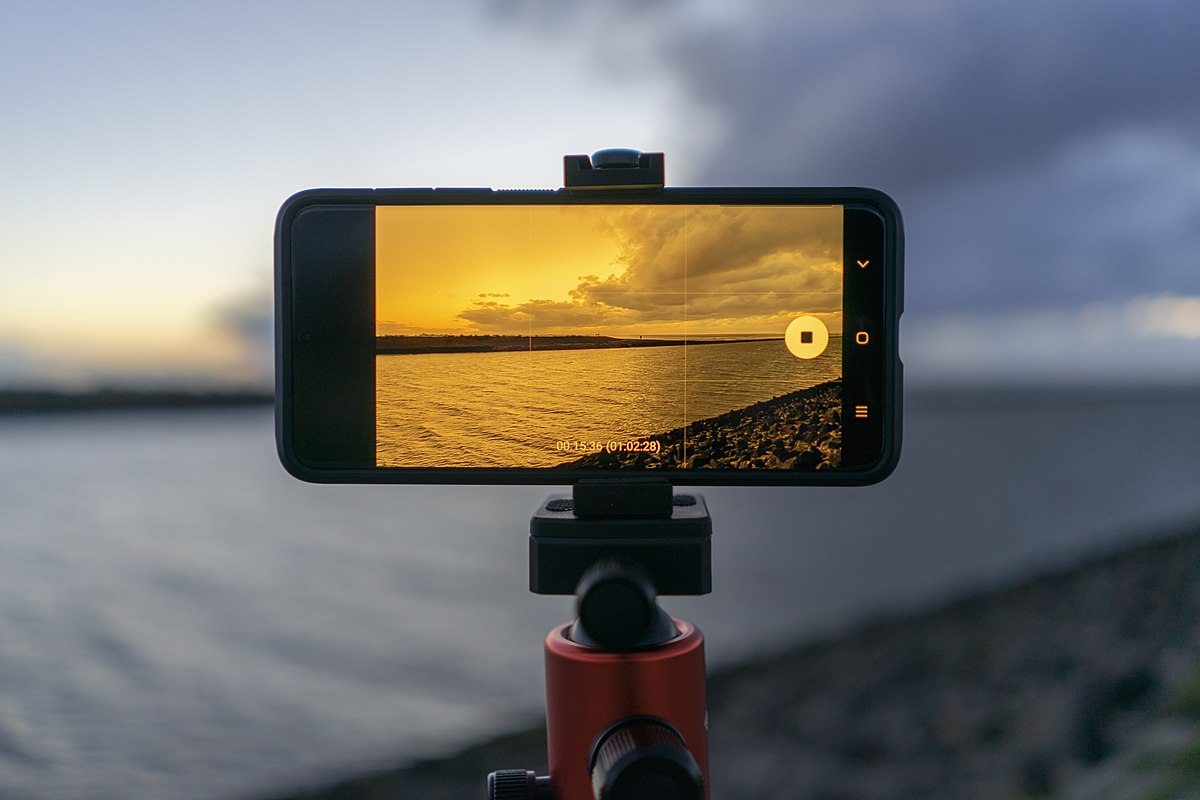
Similarly, during video recording, especially while walking or moving, OIS helps produce smoother footage by minimizing shakiness. This makes it easier for users to create professional-looking videos without additional equipment.
How Does an Optical Image Stabilizer Work?
To fully understand the benefits of OIS, it is important to
look at how it functions. Unlike software-based solutions, the optical image
stabilizer relies on physical components inside the camera module.
At its core, OIS uses sensors such as gyroscopes to detect
motion. These sensors continuously monitor the movement of the device in real
time. When motion is detected, the system responds by adjusting the position of
the camera lens or image sensor.
This adjustment happens almost instantly and in the opposite
direction of the detected movement. For instance, if your hand shifts slightly
to the right, the stabilizer moves the lens slightly to the left to compensate.
This counter-movement helps keep the image steady on the sensor.
Because it operates mechanically, OIS can provide more
natural and accurate stabilization compared to purely digital methods. This is
why it is especially effective in challenging conditions such as low light or
zoomed-in shots.
Other Image Stabilization Technologies
While OIS is highly effective, it is not the only
stabilization method available. There are several alternative technologies,
each with its own advantages and limitations. Understanding these can help you
make better decisions when choosing a device.
Electronic Image Stabilization (EIS)
Electronic Image Stabilization, or EIS, is a software-based
approach to reducing motion blur. Instead of using physical components, EIS relies
on algorithms to analyze and adjust the captured image.
This system uses data from sensors like accelerometers to
detect movement. It then compensates by cropping and shifting the image frame
to maintain stability. While EIS can be quite effective, it has some drawbacks.
One of the main limitations is that it often reduces the
field of view because part of the image is cropped during processing.
Additionally, in certain situations—such as close-up shots—EIS may introduce
distortion or reduce image quality.
However, EIS performs well in wide-angle shots and is
commonly used in video recording, especially when combined with other
stabilization methods.
AI-Based Image Stabilization (AIS)
Artificial intelligence has recently begun to play a role in
image stabilization. AI-based stabilization systems analyze motion patterns and
predict how to correct them more effectively.
Although still not as widespread as other methods, AI stabilization shows great potential. It can enhance both photo and video quality by intelligently adapting to different shooting conditions. As AI technology continues to evolve, it is expected to become a more prominent feature in future devices.
Hybrid Image Stabilization (HIS)
Hybrid Image Stabilization combines the strengths of both
optical and electronic systems. By using hardware and software together, it
offers a more comprehensive solution to motion-related issues.
In hybrid systems, the optical image stabilizer handles physical movement, while EIS refines the final output through digital adjustments. This combination allows for better overall performance, especially in dynamic shooting scenarios such as action videos or handheld recording.
The development of image stabilization technologies has
dramatically improved the way we capture photos and videos. Among these
innovations, the optical image stabilizer stands out as one of the most
impactful.
By physically compensating for motion, it ensures sharper
images and smoother videos, even in less-than-ideal conditions. Whether you are
a casual smartphone user or someone who values high-quality visuals, OIS is a
feature worth paying attention to.
As technology continues to advance, we can expect even more
sophisticated stabilization systems that combine hardware, software, and
artificial intelligence. For now, however, the optical image stabilizer
remains a cornerstone of modern imaging, helping users capture life’s moments
with greater clarity and precision.